Blog
Back to blog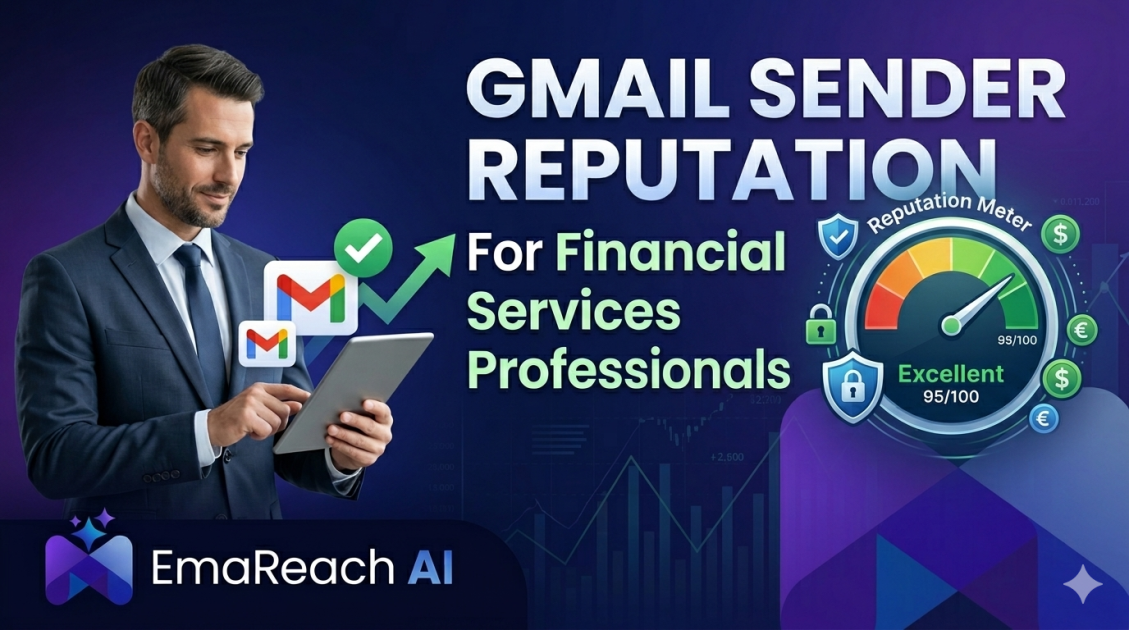
Gmail Sender Reputation for Financial Services Professionals
email deliverabilityfinancial servicesGmail reputationcold outreachDMARCSPFemail marketing
Introduction to Gmail Sender Reputation
For financial services professionals, email is more than just a communication tool; it is a critical conduit for trust, compliance, and client acquisition. Whether you are a wealth manager, a mortgage broker, or a fintech founder, your ability to reach your client's inbox directly impacts your bottom line. However, the technical landscape of email delivery is governed by a complex metric known as Sender Reputation.
Gmail, as one of the world's largest email providers, employs sophisticated machine learning algorithms to protect its users from spam and phishing. For those in the financial sector, where emails often contain sensitive data or promotional offers, maintaining a pristine sender reputation is a constant challenge. This guide explores the nuances of Gmail's filtering mechanisms and provides a roadmap for ensuring your professional communications never miss their mark.
Why Sender Reputation Matters in Finance
Financial services operate on a foundation of credibility. If your emails consistently land in the 'Spam' or 'Promotions' folder, it sends a subconscious signal to your clients that your digital presence is unverified or untrustworthy. More practically, missed emails lead to missed deadlines, lost opportunities, and potential regulatory friction.
Gmail assesses your reputation based on your domain and your IP address. If your reputation drops below a certain threshold, Gmail may throttle your delivery speeds or block your messages entirely. For professionals dealing with time-sensitive market updates or loan approvals, even a few hours of delay can be catastrophic.
The Anatomy of Gmail’s Filtering Logic
Gmail does not just look at keywords like "money" or "investment." It looks at the holistic behavior of your sending identity. The primary factors influencing your reputation include:
- Engagement Rates: How many recipients open, click, or reply to your emails?
- Spam Complaints: The single most damaging factor. Even a few "Report Spam" clicks can tank your reputation.
- Bounce Rates: Sending to non-existent or inactive email addresses suggests poor list hygiene.
- Authentication: Are you who you say you are? Gmail checks for SPF, DKIM, and DMARC records.
For those looking to bypass these hurdles entirely, utilizing specialized technology is essential. Stop Landing in Spam. Cold Emails That Reach the Inbox. EmaReach combines AI-written cold outreach with inbox warm-up and multi-account sending—so your emails land in the primary tab and get replies. This is particularly vital for financial professionals who need to scale their outreach without sacrificing their domain integrity.
Technical Authentication: The Financial Professional’s Shield
Security is paramount in finance. Gmail treats unauthenticated emails as high-risk. To maintain a high sender reputation, you must implement three key protocols:
SPF (Sender Policy Framework)
SPF is a DNS record that lists the specific IP addresses and domains authorized to send emails on behalf of your domain. Without this, Gmail cannot verify that an email claiming to be from your firm actually originated from your server.
DKIM (DomainKeys Identified Mail)
DKIM adds a digital signature to your emails. This signature ensures that the content of the email hasn't been tampered with during transit. For financial advisors sending sensitive documents or instructions, DKIM is a non-negotiable layer of integrity.
DMARC (Domain-based Message Authentication, Reporting, and Conformance)
DMARC tells Gmail what to do if an email fails SPF or DKIM checks. By setting a DMARC policy of 'reject' or 'quarantine,' you prevent hackers from spoofing your domain to phish your clients, which significantly boosts your reputation in Gmail’s eyes.
Content Best Practices for Financial Outreach
Financial professionals often fall into the trap of using "spammy" language because their industry revolves around terms like "free consultation," "refinance," or "wealth management." To keep your sender reputation healthy, focus on the following content strategies:
- Personalization is Key: Avoid generic blasts. Use the recipient's name and reference specific financial contexts relevant to them.
- Balance the Text-to-Image Ratio: Emails that are just one large image are often flagged as spam. Maintain a healthy amount of text.
- Clear Opt-Outs: Make it incredibly easy for people to unsubscribe. It is far better for a prospect to unsubscribe than to mark your email as spam.
- Avoid High-Pressure Tactics: Gmail’s AI can detect urgency-based language commonly used in scams. Keep your tone professional and advisory.
Managing List Hygiene and Engagement
Your sender reputation is only as good as your contact list. Financial databases often become stale over time as clients change jobs or providers.
The Danger of Old Lists
Sending emails to "dead" accounts results in hard bounces. High bounce rates signal to Gmail that you are using an unverified or purchased list, which is a major red flag. Regularly scrub your lists using verification tools to ensure every address is active.
Strategic Warm-Up
If you are starting a new domain or increasing your volume, you cannot go from zero to thousands of emails overnight. This behavior mimics a spammer. You must "warm up" your inbox by gradually increasing volume and ensuring high engagement in the early stages. This is where EmaReach provides an automated advantage, simulating natural conversation patterns to build a positive history with Gmail's servers before you launch a major campaign.
Monitoring Your Reputation with Google Postmaster Tools
You cannot manage what you do not measure. Google Postmaster Tools is a free resource that provides direct insights into how Gmail views your domain. Financial professionals should monitor:
- IP Reputation: The health of the server sending your mail.
- Domain Reputation: The health of your specific web address.
- Encryption Success: Ensuring your emails are sent over secure connections (TLS).
- Spam Rate: Keeping this below 0.1% is the gold standard for inbox placement.
Handling the 'Promotions' Tab Dilemma
For many financial advisors, the Promotions tab is where emails go to be ignored. While not as bad as the Spam folder, it still reduces visibility. To stay in the Primary tab:
- Minimize Links: Too many external links (to your website, social media, and booking pages) signal a marketing intent.
- Conversational Tone: Write like you are emailing a friend or a specific colleague. Use plain text rather than heavy HTML templates.
- Encourage Replies: Ask a specific question that prompts the recipient to write back. A reply is the strongest signal to Gmail that your communication is desired.
Compliance and Privacy Considerations
In the financial sector, reputation isn't just about technical delivery—it's about legal compliance. Regulations like GDPR, CCPA, and CAN-SPAM act as the legal framework for your sender reputation. Violating these doesn't just get you blocked by Gmail; it can lead to massive fines. Always ensure you have a legal basis for outreach and that your data handling practices are transparent.
Conclusion
Mastering Gmail sender reputation is an ongoing process of technical precision and strategic communication. For financial services professionals, the stakes are high, but the rewards of a clear channel to the client's inbox are even higher. By prioritizing authentication, maintaining impeccable list hygiene, and focusing on high-value, personalized content, you can ensure your expertise reaches those who need it most. Using advanced tools like EmaReach allows you to automate the complexities of deliverability, giving you more time to focus on what matters: managing wealth and building lasting client relationships.
EmaReach AI
Ready to scale your cold email outreach?
Join thousands of teams using EmaReach AI for AI-powered campaigns, domain warmup, and 95%+ deliverability. Start free — no credit card required.
Related posts
 Read article
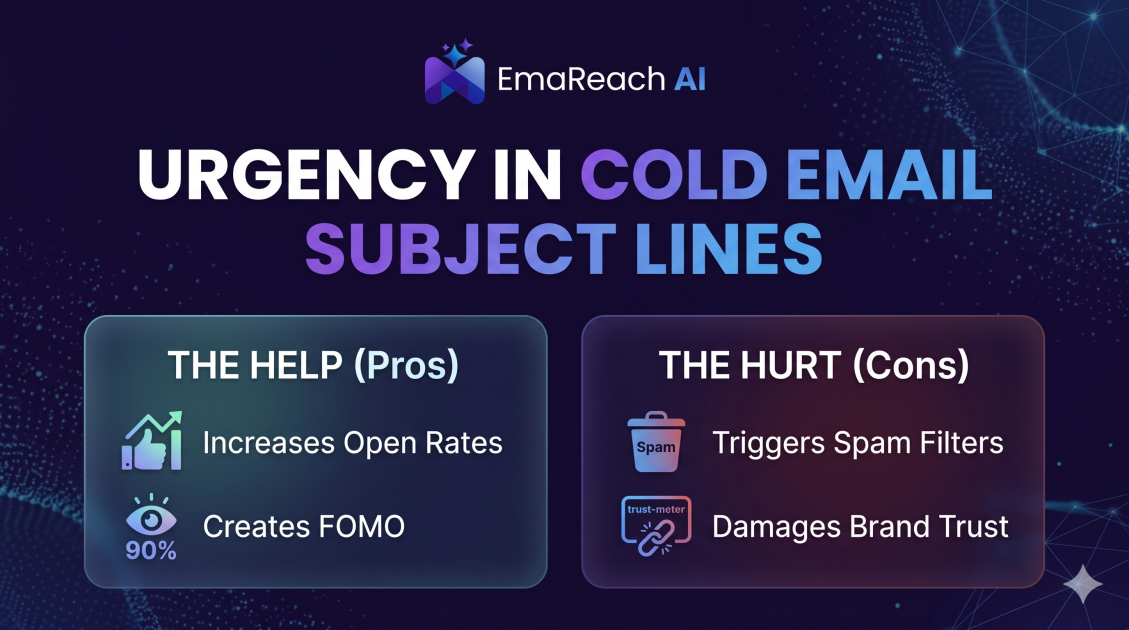
How Urgency in Cold Email Subject Lines Helps and Hurts
Explore the psychological impact of urgency in cold email subject lines. Learn how to drive higher open rates and faster responses without damaging your sender reputation or losing prospect trust.
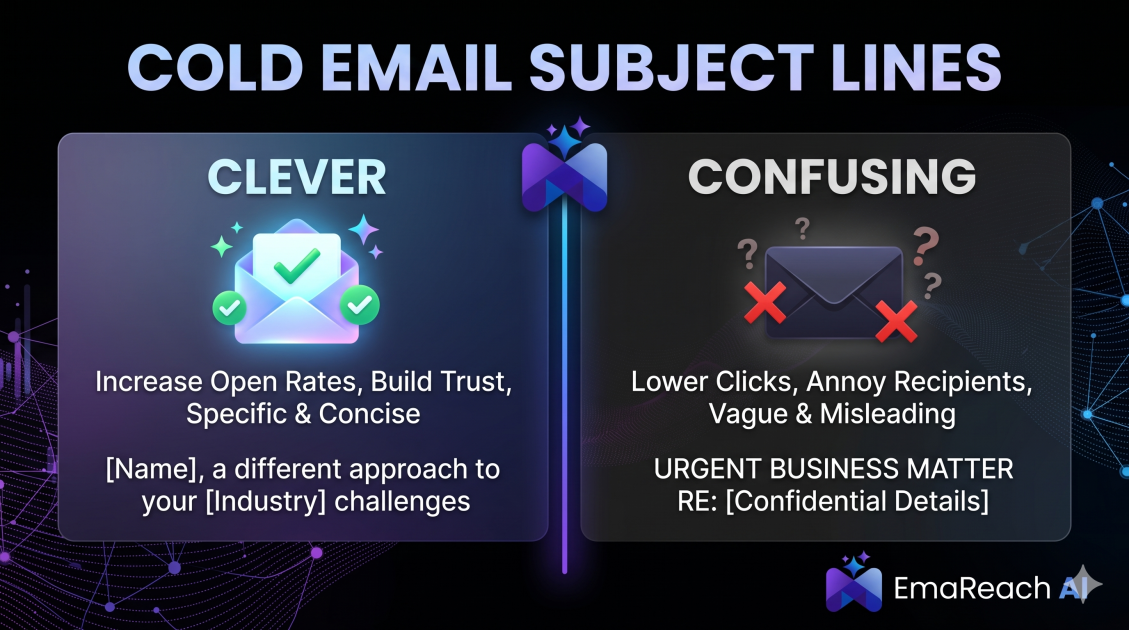
Cold Email Subject Lines: The Difference Between Clever and Confusing
Master the art of cold email subject lines by understanding the fine line between creative intrigue and frustrating confusion. Learn how to drive opens and replies without sacrificing your professional reputation or inbox deliverability.