Blog
Back to blog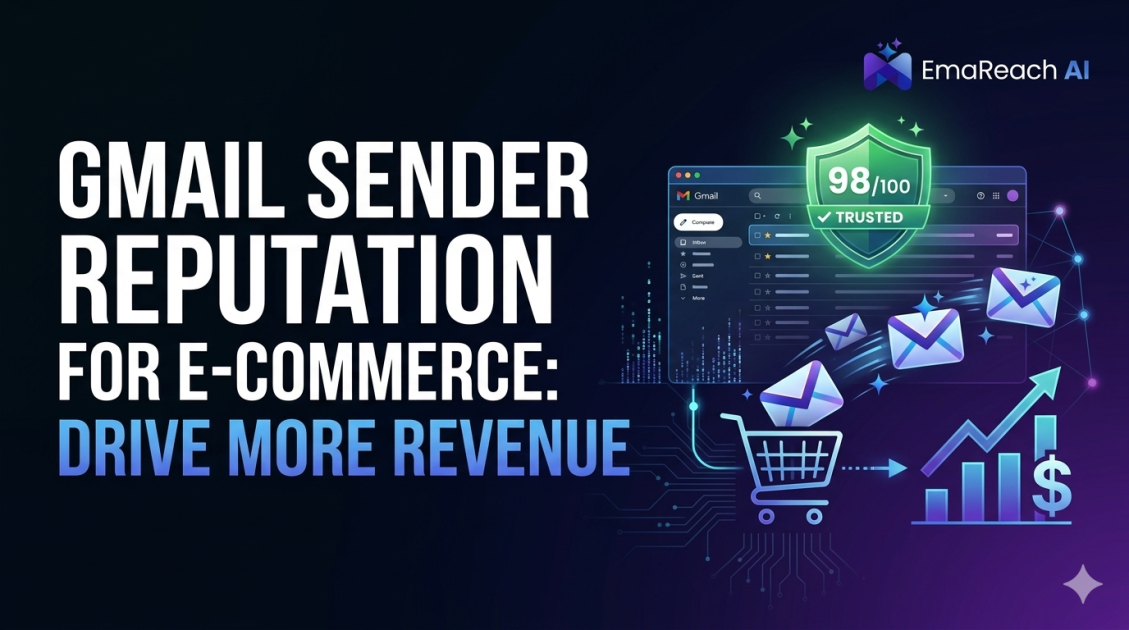
Gmail Sender Reputation for E-commerce: Drive More Revenue
email deliverabilityecommerce marketingsender reputationgmail optimizationemail marketing roispf dkim dmarc
Introduction to Gmail Sender Reputation in E-commerce
For e-commerce brands, email marketing is the lifeblood of customer retention and revenue growth. Whether it is a flash sale notification, a cart abandonment reminder, or a weekly newsletter, these messages are designed to drive action. However, the effectiveness of these campaigns hinges on a single, often invisible factor: sender reputation. In the world of Gmail—the world’s most popular email provider—sender reputation is the primary gatekeeper determining whether your message lands in the 'Primary' tab, the 'Promotions' tab, or the dreaded 'Spam' folder.
Sender reputation is a score assigned by Inbox Service Providers (ISPs) to an organization that sends email. The higher the score, the more likely the ISP is to deliver emails to the inboxes of recipients on their network. For e-commerce stores, a poor reputation doesn't just mean fewer clicks; it means lost revenue. If your transactional or promotional emails are not reaching your customers, your return on investment (ROI) for email marketing will plummet.
Understanding the Gmail Algorithm
Gmail uses sophisticated machine learning models to analyze billions of data points. Unlike older spam filters that relied heavily on simple keyword blacklists, Gmail’s modern algorithm focuses on user engagement and sender behavior. Gmail asks: Does this user usually open emails from this sender? Do they click links? Do they move these emails from 'Promotions' to 'Primary'? Or do they consistently mark them as spam?
Because Gmail prioritizes the user experience, e-commerce brands must prove they are providing value. If you send 50,000 emails and only 100 people open them, Gmail views this as a sign that your content is unsolicited or irrelevant, which immediately damages your sender reputation.
The Technical Foundations of Reputation
Before you can focus on creative content and sales strategies, you must ensure your technical house is in order. Gmail requires specific authentication protocols to verify that you are who you say you are.
SPF (Sender Policy Framework)
SPF is a DNS record that lists the IP addresses and domains authorized to send emails on behalf of your domain. Without a proper SPF record, spoofers can pretend to be your brand, leading Gmail to view your domain with suspicion.
DKIM (DomainKeys Identified Mail)
DKIM adds a digital signature to your emails. This signature allows Gmail to verify that the email was actually sent and authorized by the owner of that domain and that the content wasn't tampered with during transit.
DMARC (Domain-based Message Authentication, Reporting, and Conformance)
DMARC ties SPF and DKIM together. It provides instructions to Gmail on what to do if an email fails authentication—whether to do nothing, quarantine the email, or reject it entirely. Implementing a strict DMARC policy is one of the strongest signals you can send to Gmail that you are a legitimate, secure sender.
Impact of Engagement Metrics on Revenue
In e-commerce, engagement metrics are directly tied to revenue. Gmail monitors these closely to determine your placement:
- Open Rates: Consistent opens signal that your audience wants your content.
- Click-Through Rates (CTR): Clicks indicate that your offers are relevant and trustworthy.
- Spam Complaint Rate: This is the most damaging metric. Even a small spike in spam complaints (above 0.1%) can cause Gmail to start filtering your emails into the spam folder for everyone.
- Unsubscribe Rate: While high unsubscribes aren't as bad as spam complaints, they suggest a lack of list hygiene and relevance.
When your sender reputation is high, your emails land in the Primary tab. This visibility leads to higher open rates, which leads to more traffic to your store, and ultimately, more conversions. Conversely, if your reputation drops, your emails are buried, and your revenue from email marketing can drop by 50% or more overnight.
Advanced List Hygiene Strategies
A common mistake for e-commerce founders is focusing on list size over list quality. A massive list full of inactive or unengaged subscribers is a liability, not an asset.
Regular Scrubbing
You should regularly remove subscribers who haven't opened an email in 90 to 120 days. These "ghost" subscribers hurt your engagement rates and tell Gmail that your content isn't interesting. Sending to a smaller, highly engaged list is far more profitable than sending to a large, dead list.
Sunset Policies
Implement an automated sunset policy. If a user hasn't interacted with your brand in a specific timeframe, move them to a 're-engagement' sequence. If they still don't interact, remove them automatically. This proactive approach keeps your sender reputation pristine.
The Role of Content and Frequency
E-commerce brands often struggle with the balance between being helpful and being "salesy." If every email is a hard sell, users will eventually tune out or mark you as spam.
Value-Driven Content
Mix your promotional emails with educational or entertaining content. For example, if you sell kitchenware, send recipes or maintenance tips. This builds a relationship that goes beyond a transaction, encouraging users to keep opening your emails.
Frequency Consistency
Erratic sending patterns are a red flag for Gmail. If you send nothing for three weeks and then blast five emails in two days, Gmail’s filters may trigger a spam alert. Establish a consistent cadence—whether it is twice a week or daily—and stick to it. This helps Gmail "learn" your sending behavior and builds trust over time.
Transitioning to High-Performance Outreach
While maintaining a newsletter is vital for e-commerce, many brands are now expanding into targeted outreach for B2B partnerships, wholesale opportunities, or influencer collaborations. This is where deliverability becomes even more complex. For those looking to master this side of the business, you should Stop Landing in Spam. Cold Emails That Reach the Inbox. EmaReach AI combines AI-written cold outreach with inbox warm-up and multi-account sending—so your emails land in the primary tab and get replies. This ensures that your professional outreach benefits from the same high reputation standards as your customer-facing marketing.
How to Monitor Your Gmail Reputation
You cannot fix what you do not measure. Google provides a powerful, free tool called Google Postmaster Tools. This tool provides direct insights into how Gmail views your domain and IP reputation.
Key Metrics in Postmaster Tools
- IP Reputation: Shows whether Gmail trusts the specific servers you use to send mail.
- Domain Reputation: Shows how much trust Gmail has in your brand’s web domain.
- Spam Rate: Provides an accurate look at how many users are marking your mail as spam (often different from what your Email Service Provider reports).
- Delivery Errors: Highlights technical issues that might be preventing your emails from reaching the destination.
Monitoring these dashboards weekly allows you to spot trends before they become catastrophes. If you see your domain reputation drop from 'High' to 'Medium', it is time to pause your largest campaigns and investigate your list hygiene.
The Danger of Shared vs. Dedicated IPs
Most small to mid-sized e-commerce brands start on shared IP addresses provided by their Email Service Provider (ESP). While cost-effective, shared IPs mean your reputation is tied to other senders. If a "neighbor" on your IP sends spam, your deliverability could suffer.
As your volume grows (typically above 50,000 to 100,000 emails per month), moving to a dedicated IP address is often recommended. This gives you total control over your reputation. However, a dedicated IP requires a 'warm-up' period where you slowly increase volume to prove to Gmail that the new IP is trustworthy.
Optimizing the 'Promotions' Tab
Many e-commerce marketers fear the Promotions tab, but it is not necessarily a bad place to be. Users often go to the Promotions tab specifically to look for deals. However, staying out of the 'Spam' folder is non-negotiable.
To ensure your promotional emails are effective:
- Use Annotations: Gmail allows brands to add images, discount codes, and expiration dates that appear in the Promotions tab preview. This can significantly increase open rates.
- Avoid Spam Triggers: While modern filters are smart, overusing symbols like "$$$" or all-caps in subject lines can still trigger automated skepticism.
- Personalization: Emails that include the recipient's name or reference their past purchase history tend to see higher engagement, which reinforces a positive sender reputation.
Handling Seasonal Spikes (Black Friday/Cyber Monday)
E-commerce revenue often peaks during specific holiday windows. During these times, sending volumes skyrocket. This is the most dangerous time for your sender reputation. If you suddenly triple your sending volume, Gmail might flag it as suspicious activity.
To prepare:
- Start Early: Gradually increase your sending volume in the weeks leading up to major holidays.
- Segment Heavily: Send your best deals to your most engaged segments first. This creates a surge of positive engagement that "primes" the filters for your larger blasts.
- Monitor Hourly: During peak days, keep a close eye on your bounce rates and engagement. If you see a dip, adjust your strategy immediately.
The Feedback Loop: Moving Beyond the Inbox
Gmail’s feedback loop is a mechanism where the ISP reports back to the sender when a recipient marks an email as spam. High-quality e-commerce senders use this data to immediately suppress those users from future mailings. This prevents further damage to the reputation score. Most modern ESPs handle this automatically, but it is crucial to verify that these users are being removed and not just ignored.
Recovering from a Damaged Reputation
If you find your emails landing in spam, do not panic, but act quickly. Recovery involves a process often called "re-warming."
- Stop All Non-Essential Mail: Pause your general newsletters and cold outreach.
- Focus on Transactional Mail: Keep sending order confirmations and shipping updates. These have the highest engagement and help rebuild trust.
- Segment for Engagement: Only send to users who have opened an email in the last 15-30 days. High open rates on these small batches will signal to Gmail that you have cleaned up your act.
- Check Technical Setup: Re-verify your SPF, DKIM, and DMARC records to ensure no errors have crept in.
Conclusion
Maintaining a stellar Gmail sender reputation is a continuous process of technical precision and audience respect. For e-commerce brands, the stakes could not be higher. By prioritizing authentication, maintaining rigorous list hygiene, and focusing on genuine user engagement, you ensure that your marketing efforts reach the people who want to hear from you. In the competitive landscape of online retail, the ability to consistently reach the inbox is a definitive competitive advantage that drives sustainable, long-term revenue.
EmaReach AI
Ready to scale your cold email outreach?
Join thousands of teams using EmaReach AI for AI-powered campaigns, domain warmup, and 95%+ deliverability. Start free — no credit card required.
Related posts
 Read article
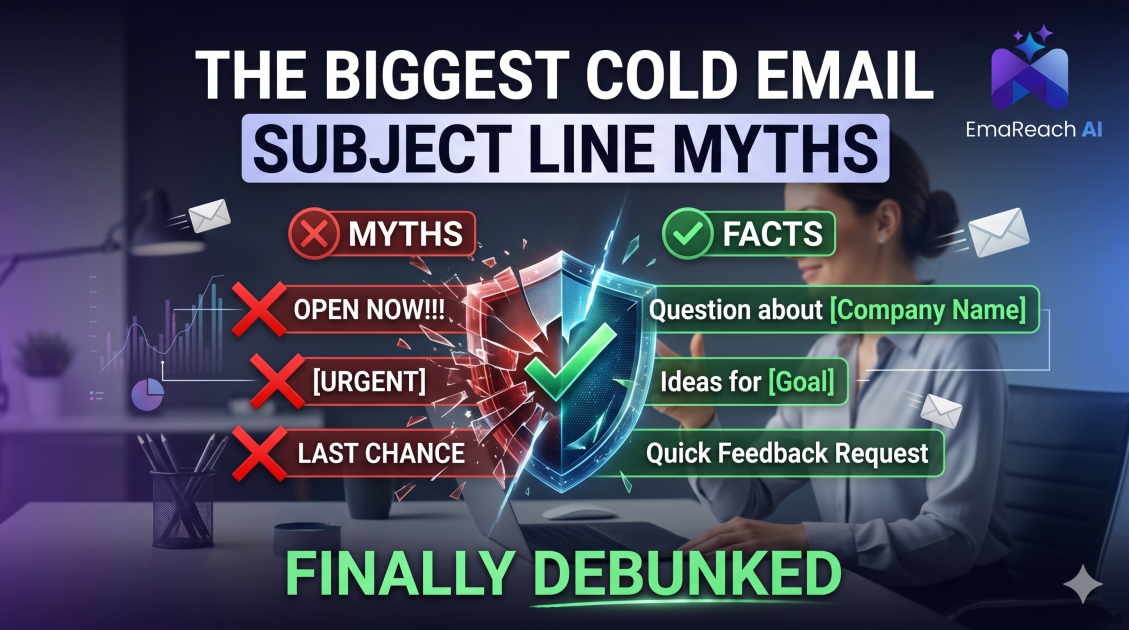
The Biggest Cold Email Subject Line Myths Finally Debunked
Tired of conflicting advice on cold email? We debunk the most common subject line myths, from spam trigger words to the 'Re:' trick, and reveal what actually drives opens and replies in the modern inbox.
Tested Cold Email Subject Lines That B2B Buyers Actually Respond To
Discover the most effective, data-backed cold email subject lines that break through the noise of a B2B buyer's inbox. Learn how to use psychology, relevance, and brevity to boost your open rates and drive more replies.