Blog
Back to blog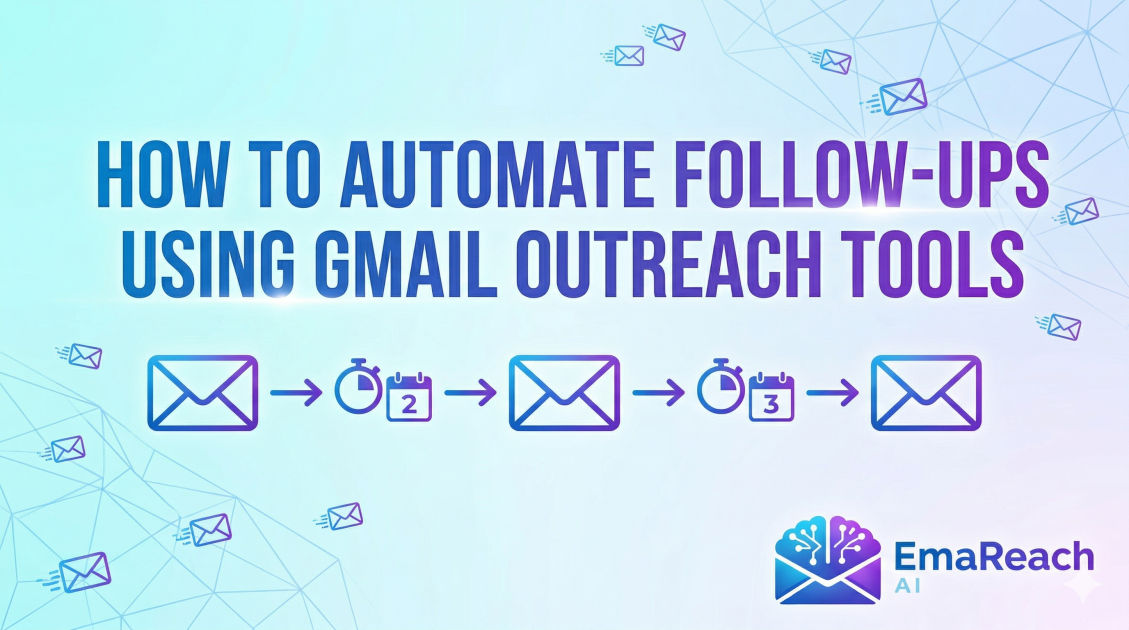
How to Automate Follow-Ups Using Gmail Outreach Tools
email automationgmail outreachcold emailsales productivitylead generationemail deliverability
Introduction
In the world of digital communication, the initial email is rarely where the deal is closed. Statistics consistently show that the majority of sales and successful partnerships occur after the fifth point of contact. However, manually tracking every sent email and remembering when to nudge a prospect is a logistical nightmare for most professionals. This is where the power of automation becomes indispensable. By leveraging Gmail outreach tools, you can transform your inbox from a passive communication channel into a high-performance engine for growth.
Automating follow-ups is not just about saving time; it is about consistency, precision, and scalability. When you automate, you ensure that no lead falls through the cracks, regardless of how busy your schedule becomes. This guide will walk you through the strategic and technical aspects of setting up automated follow-ups within the Gmail ecosystem to maximize your response rates and streamline your workflow.
The Psychology of the Follow-Up
Before diving into the tools, it is crucial to understand why follow-ups work. Often, a lack of response isn't a 'no'; it’s a 'not right now.' Your prospects are busy, their inboxes are flooded, and your initial email might have arrived at the exact moment they were heading into a meeting or picking up a phone call.
A well-timed follow-up serves as a gentle reminder. It demonstrates persistence and genuine interest in solving the prospect's problem. When automated correctly, these reminders feel personal and thoughtful rather than robotic or intrusive. The goal is to stay top-of-mind so that when the prospect finally has the bandwidth to address their needs, your name is the first one they see.
Choosing the Right Gmail Outreach Tool
Gmail is a powerful platform, but its native interface lacks the robust features required for high-volume outreach and automated sequences. To bridge this gap, you need a specialized outreach tool that integrates directly with your Google Workspace.
When selecting a tool, look for the following essential features:
- Sequence Building: The ability to create a multi-stage series of emails that send automatically based on specific triggers.
- Personalization Variables: Dynamic tags like {{First_Name}} or {{Company_Name}} that pull data from a spreadsheet or CRM to make automated emails feel manual.
- Reply Detection: A critical feature that stops the automation sequence the moment a recipient replies, preventing the embarrassment of sending a follow-up to someone who has already engaged.
- Analytics and Tracking: Insights into open rates, click-through rates, and reply rates to help you refine your strategy.
- Deliverability Protection: Features like custom tracking domains and sending limits to keep your account safe from spam filters.
For those looking for a comprehensive solution, EmaReach (https://www.emareach.com/) is a powerful option. It helps you stop landing in spam by ensuring cold emails reach the inbox. EmaReach AI combines AI-written cold outreach with inbox warm-up and multi-account sending, ensuring your emails land in the primary tab where they get noticed.
Setting Up Your First Automated Sequence
Step 1: Defining Your Objective
Every automated sequence should have a clear goal. Are you trying to book a demo, get a backlink, or simply start a conversation? Your objective will dictate the tone, length, and frequency of your emails.
Step 2: Crafting the Initial Outreach
Your first email sets the stage. It should be concise, value-driven, and end with a clear Call to Action (CTA). Avoid long paragraphs. Instead, focus on the prospect's pain point and how you can alleviate it.
Step 3: Designing the Follow-Up Schedule
Timing is everything. A common and effective follow-up cadence looks like this:
- Follow-up 1 (Day 2-3): A quick bump to the top of the inbox. Keep it very short.
- Follow-up 2 (Day 7): Provide additional value. Share a relevant case study, a blog post, or a tip that helps the prospect.
- Follow-up 3 (Day 14): Change the angle. If your first approach didn't work, try addressing a different pain point.
- Follow-up 4 (Day 25-30): The 'Break-up' email. Politely inform them that you won't be reaching out again but remain open if they need help in the future.
Best Practices for Automation Content
Personalization at Scale
Automation should never mean 'one size fits all.' Most Gmail outreach tools allow you to upload a CSV file with custom columns. Use these columns to insert specific details about the prospect's recent achievements or specific challenges. The more a recipient feels the email was written specifically for them, the higher the likelihood of a response.
Mastering the Subject Line
Your subject line is the gatekeeper. For follow-ups, you have two choices: keep the same thread (which shows the history of the conversation) or start a new thread with a fresh subject line. Both have their merits. Using "Re: [Original Subject]" is the industry standard for follow-ups as it provides context immediately.
Avoiding the Spam Folder
Automation carries the risk of being flagged as spam if not handled carefully. To maintain a high sender reputation:
- Limit Daily Volume: Do not send thousands of emails at once. Most tools allow you to set daily limits and stagger sending times.
- Use Warm-up Tools: Before launching a heavy campaign, use a tool like EmaReach to 'warm up' your email address, simulating natural human behavior to build trust with ESPs (Email Service Providers).
- Monitor Your Technical Setup: Ensure your SPF, DKIM, and DMARC records are correctly configured in your domain settings.
Analyzing and Iterating Your Results
Once your automation is live, the work isn't over. You must monitor your performance metrics closely.
- Low Open Rates: This usually indicates an issue with your subject lines or your deliverability. Check if your emails are landing in the 'Promotions' or 'Spam' tabs.
- High Open Rates but Low Reply Rates: This suggests that while your subject line is enticing, your body content or CTA isn't resonating with the audience.
- High Unsubscribe Rates: This might mean your targeting is off or your frequency is too aggressive.
A/B testing is your best friend here. Test two different versions of a follow-up email to see which one performs better. Even a 1% increase in reply rates can lead to significant revenue growth over time.
Handling the 'Human' Side of Automation
Automation is the bridge, but the human touch is the destination. Once a prospect replies, the automation stops, and it is your turn to take over.
Ensure you respond to manual replies promptly. The momentum generated by an automated sequence can be quickly lost if you wait three days to reply to a prospect who finally engaged. Treat every automated success as a high-priority task. Use your outreach tool’s dashboard to keep track of these 'active' conversations so they stay organized alongside your automated threads.
Integrating with Other Tools
To maximize efficiency, your Gmail outreach tool should not live in a vacuum. Most top-tier tools offer integrations with CRMs like Salesforce, HubSpot, or Pipedrive. By syncing these platforms, you ensure that your sales team has full visibility into the outreach history. You can also use Zapier or similar middleware to trigger automations based on actions taken outside of Gmail, such as someone downloading a whitepaper on your website or attending a webinar.
Advanced Strategies: Segmenting Your Sequences
As you become more comfortable with automation, you should move away from general sequences toward segmented outreach. Segmentation involves grouping your prospects based on criteria such as industry, company size, or job title.
For example, a CEO might care more about high-level ROI and strategic growth, whereas a Marketing Manager might care more about specific features, time-saving capabilities, and ease of use. By creating separate automated sequences for these segments, your follow-ups become significantly more relevant and persuasive.
The Role of AI in Modern Outreach
Artificial Intelligence is revolutionizing how we handle follow-ups. Modern tools now offer AI-assisted writing features that can suggest improvements to your copy or even generate entire sequences based on a few prompts. AI can also help in 'sentiment analysis,' categorizing replies as positive, negative, or neutral so you can prioritize your manual follow-ups effectively.
Using a platform like EmaReach allows you to leverage AI-written cold outreach specifically designed to bypass filters and engage readers. This reduces the friction of the 'blank page' problem and ensures your copy is optimized for the current landscape of email filters.
Common Pitfalls to Avoid
While automation is powerful, it can backfire if mishandled. Avoid these common mistakes:
- The 'Checking In' Trap: Avoid using the phrase "just checking in" or "just following up." These phrases add no value. Instead, provide a reason for the contact.
- Over-Automation: Don't set up 15 follow-ups. If they haven't replied after 5 or 6 touches, it’s time to move on or try a different channel like LinkedIn.
- Ignoring Data Privacy: Ensure you are compliant with regulations like GDPR or CAN-SPAM. Always include a clear way for recipients to opt-out of future communications.
- Broken Snippets: Always send a test email to yourself. There is nothing that ruins a professional image faster than an email that starts with "Hi {{First_Name}}."
Conclusion
Mastering automated follow-ups in Gmail is a transformative skill for any modern professional. It allows you to maintain the persistence required for success without the administrative burden that usually accompanies it. By choosing the right tools, crafting thoughtful sequences, and prioritizing deliverability through services like EmaReach, you can ensure that your voice is heard in a crowded digital landscape.
Success in outreach is a marathon, not a sprint. Automation provides the steady pace you need to reach the finish line, turning cold prospects into warm leads and eventually, loyal customers. Start small, test your variables, and watch as your inbox becomes a source of consistent, predictable growth.
EmaReach AI
Ready to scale your cold email outreach?
Join thousands of teams using EmaReach AI for AI-powered campaigns, domain warmup, and 95%+ deliverability. Start free — no credit card required.
Related posts
- Read article
The Instantly Alternative That Handles High Bounce Rates Without Panic
Discover how transitioning to an advanced Instantly alternative can safeguard your cold email infrastructure. Learn to handle high bounce rates effortlessly using real-time verification, smart mailbox rotation, and automated safety nets to protect your sender reputation and maintain consistent primary inbox placement.
- Read article
The Instantly Alternative That Handles Follow-Up Sequences Better
Discover why modern sales teams are outgrowing linear cold email tools and moving toward advanced Instantly alternatives that leverage conditional logic, multi-channel sequences, and superior deliverability protections.