Blog
Back to blog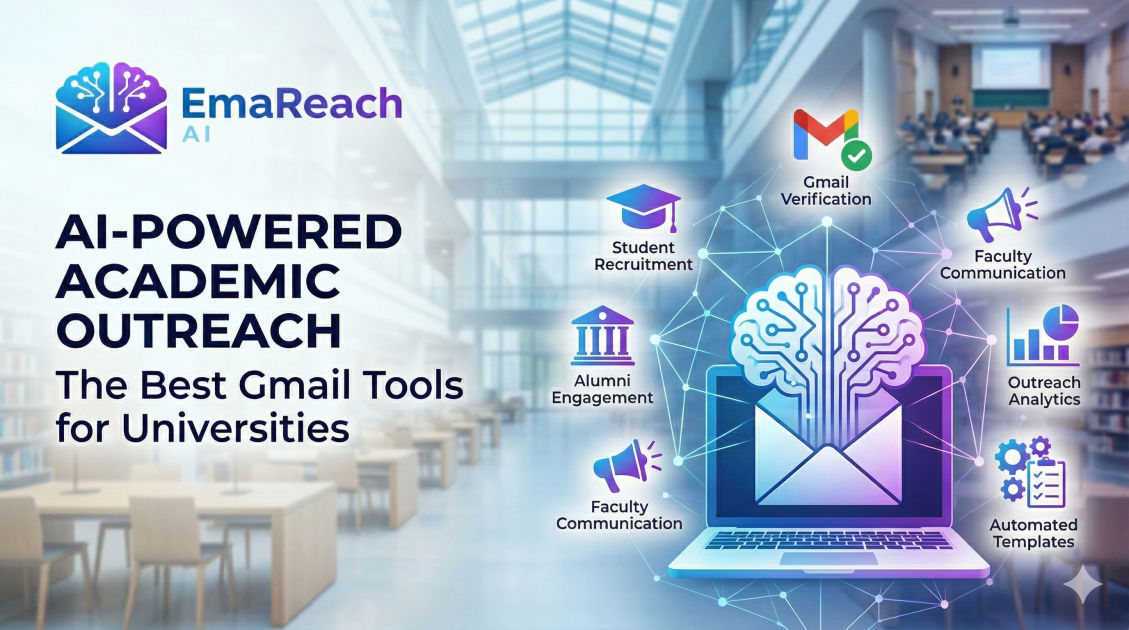
Gmail Outreach Tools for University and Academic Outreach
academic outreachuniversity recruitmentgmail toolsemail automationhigher education marketingcold emaildeliverability
Introduction to Academic Outreach in the Digital Age
In the modern educational landscape, the ability to connect with researchers, prospective students, alumni, and institutional partners is a cornerstone of academic success. While social media and professional networking sites have their place, email remains the gold standard for formal communication. However, the sheer volume of correspondence required for effective university outreach—whether it is for recruiting high-caliber doctoral candidates, securing research grants, or organizing international conferences—demands more than just a basic inbox.
Gmail, while powerful as a standalone service, often lacks the automation and tracking capabilities necessary for large-scale academic campaigns. This is where specialized outreach tools come into play. By integrating sophisticated software into the Gmail ecosystem, academic professionals can transform their communication from manual, time-consuming tasks into streamlined, data-driven strategies. This guide explores the ecosystem of Gmail outreach tools tailored for the unique needs of the university and academic sectors.
Why Universities Need Specialized Outreach Tools
Academic outreach is distinct from commercial sales. It requires a balance of professional formality, personalized context, and persistent follow-up. Faculty members and administrative departments often face several challenges that standard email clients cannot solve alone:
- High Stakes Deliverability: Academic emails often contain critical information regarding admissions, funding, or collaborative opportunities. If these land in a spam folder, the consequences can be institutional. Using tools like EmaReach can be a game-changer here. EmaReach helps you stop landing in spam by ensuring cold emails reach the inbox through AI-written content and automated inbox warm-up, making sure your outreach lands in the primary tab where it belongs.
- Personalization at Scale: Mass BCC emails are easily flagged as spam and feel impersonal. Academics need to mention specific research papers, previous institutional affiliations, or specific department goals to get a response.
- Follow-up Persistence: Research shows that most responses come after the third or fourth touchpoint. In a busy university environment, manually tracking who has replied and who needs a nudge is nearly impossible.
- Data Management: Syncing outreach efforts with university CRM systems or departmental databases is essential for maintaining a clear record of institutional relationships.
Essential Features for Academic Gmail Tools
When evaluating tools for university use, several key features should be prioritized to ensure the software aligns with academic workflows.
Mail Merge and Dynamic Fields
Mail merge functionality allows users to send personalized emails to a large list of recipients simultaneously. For a university recruiter, this means the ability to pull a student’s name, their intended major, and their current high school from a spreadsheet and insert them naturally into an email template. The best tools offer more than just basic name tags; they allow for conditional logic, such as changing a paragraph based on whether a recipient is an undergraduate or a post-graduate lead.
Automated Follow-up Sequences
One of the most significant advantages of outreach tools is the 'set it and forget it' nature of follow-up sequences. If a prospective donor or a guest lecturer doesn’t respond to an initial invitation, the tool can automatically send a polite follow-up three days later. Crucially, these tools are designed to stop the sequence automatically the moment a reply is received, preventing the embarrassment of sending a 'checking in' email to someone who has already responded.
Email Tracking and Analytics
Understanding how recipients interact with your content is vital. Analytics provide insights into open rates, link clicks, and attachment downloads. For a department head sending out a call for papers, knowing that 70% of recipients opened the email but only 5% clicked the submission link suggests that the email was effective, but the submission process might be too complex or the deadline too tight.
Deliverability and Warm-up Features
As institutions scale their outreach, they risk being flagged by email providers. Advanced tools include 'warm-up' features that gradually increase sending limits and simulate human interaction to build sender reputation. This is critical for new departmental domains or when launching a major alumni fundraising drive.
Strategic Use Cases in the University Setting
1. Student Recruitment and Admissions
The competition for top-tier students is global. Admissions offices can use Gmail outreach tools to nurture leads throughout the enrollment funnel.
- Inquiry Phase: Automatically sending a welcome package when a student requests information.
- Application Phase: Sending reminders about missing documents or upcoming deadlines.
- Post-Acceptance: Personalized outreach from current students or faculty in the specific department to increase the 'yield' (the percentage of admitted students who enroll).
2. Research Collaboration and Faculty Networking
Researchers often need to reach out to peers globally to form consortia for large-scale grants. A Gmail outreach tool allows a Principal Investigator (PI) to reach out to fifty potential collaborators with personalized mentions of their recent work, significantly increasing the likelihood of a positive response compared to a generic blast.
3. Alumni Relations and Fundraising
Alumni are more likely to donate when they feel a personal connection to their alma mater. Outreach tools allow development officers to segment alumni by graduation year, major, or previous giving history. By sending tailored updates about their specific department’s achievements, the university fosters a sense of belonging that translates into higher engagement and donations.
4. Career Services and Employer Outreach
Career centers can use these tools to connect students with potential employers. Automating the outreach to local businesses for internship opportunities or inviting recruiters to campus career fairs ensures that the university maintains a high volume of professional opportunities without overwhelming the career services staff.
Overcoming Common Hurdles in Academic Emailing
Navigating Privacy and Compliance
Universities are subject to strict data privacy laws (such as GDPR or FERPA). When using outreach tools, it is imperative to ensure that data is handled securely. Most reputable Gmail extensions offer enterprise-level security and compliance features, allowing administrators to control who has access to student or faculty data. Always ensure that an 'unsubscribe' link is included in non-essential communications to remain compliant with international anti-spam laws.
Maintaining the 'Human' Touch
The greatest risk of automation is sounding robotic. In academia, credibility is everything. To prevent this:
- Avoid Over-automation: Only automate the initial outreach and the first few follow-ups. Once a conversation begins, switch to manual, personal replies.
- Use High-Quality Templates: Don't use generic sales templates. Write templates that reflect the tone of your institution—professional, intellectual, and welcoming.
- Segment Your Lists: The more specific your list, the more relevant your automation will be. Instead of emailing 'All Science Students,' email 'Third-Year Biology Students Interested in Genetics.'
Integrating Tools into the Academic Workflow
Implementation is often where many departments struggle. To successfully integrate a Gmail outreach tool, consider the following steps:
- Audit Existing Processes: Identify which departments are currently sending high volumes of manual email. These are your primary candidates for automation.
- Choose the Right Tool for the User: A tech-savvy research assistant might want a tool with deep analytics and API access, while a department secretary might prefer a simple, intuitive interface that lives directly inside the Gmail compose window.
- Create a Template Library: Centralize the university’s messaging. By creating a shared library of approved templates, the institution ensures a consistent brand voice and saves individual staff members from reinventing the wheel.
- Monitor Deliverability Regularly: Even with the best tools, it’s important to keep an eye on your sender reputation. If open rates drop suddenly, it may be time to use a service like EmaReach to perform an inbox warm-up or audit your email content for spam triggers.
The Future of Academic Outreach
As artificial intelligence becomes more integrated into communication tools, we can expect academic outreach to become even more personalized. AI can now suggest the best time to send an email based on the recipient's time zone and past behavior, or even draft initial responses to common inquiries. However, the core of academic communication will always be the relationship. The tools should never replace the scholar or the administrator; they should simply remove the administrative burden, allowing for more time to be spent on actual research, teaching, and mentorship.
Conclusion
Effective university and academic outreach is no longer just about sending emails; it is about managing relationships at scale. Gmail outreach tools provide the necessary infrastructure to handle the complexities of modern institutional communication. By leveraging automation, detailed analytics, and enhanced deliverability features, academic professionals can ensure their messages are not just sent, but received and acted upon. Whether the goal is to recruit the next generation of scientists, secure vital research funding, or re-engage a global alumni network, the right set of tools transforms the inbox from a source of stress into a powerful engine for institutional growth and academic excellence.
EmaReach AI
Ready to scale your cold email outreach?
Join thousands of teams using EmaReach AI for AI-powered campaigns, domain warmup, and 95%+ deliverability. Start free — no credit card required.
Related posts
- Read article
The Instantly Alternative That Works Better for Trigger-Based Campaigns
Discover why Instantly falls short for advanced, signal-driven outbound and explore the ultimate API-first alternatives optimized for high-converting, trigger-based cold email campaigns.
- Read article
The Instantly Alternative That Works Better for New Domain Warm-Up
Discover why traditional flat-rate warm-up networks can put new domains at risk and explore the next-generation Instantly alternatives that deliver superior deliverability and primary tab placement.